



Featured Monthly Releases – May 2026
This May, explore new titles that engage with artificial intelligence, identity, sustainability and critical thought across disciplines. Discover our latest releases examining the ideas, challenges and conversations shaping contemporary society.
This volume explores how artificial intelligence is reshaping influence, diplomacy and global communication in an increasingly digital world. Bringing together international scholars and practitioners, it examines topics ranging from narrative warfare and cultural projection to governance, conflict and digital diplomacy. Combining theoretical and practical perspectives, the book offers fresh insights into how power, persuasion and public diplomacy operate in the age of AI.
This book examines how contemporary Australian memoirs explore questions of settler identity, belonging and Indigenous dispossession in the twenty-first century. Focusing on writings by historians, artists and public intellectuals, it investigates how narratives of settler anxiety have evolved over time. The study offers new perspectives on ethical belonging, landscape writing and the continuing legacy of colonisation.
This textbook explores the relationship between creativity theory and composition studies, presenting writing as both a creative and social practice. Combining rhetorical principles with practical guidance, it encourages students to develop critical thinking, experimentation and problem-solving skills across different forms of writing. The book offers a structured yet flexible approach to composition, designed to support creativity and effective communication.
This edited volume explores sustainable development through a multidimensional approach that extends beyond traditional economic indicators such as GDP. Bringing together theoretical discussion, case studies and empirical research, it examines the relationship between environmental, social and economic factors in shaping well-being. The book highlights the importance of local and regional perspectives in creating more sustainable and inclusive development pathways.
This collection of essays explores embarrassment as both a philosophical concept and a lens for understanding moral psychology, self-knowledge and human behaviour. Drawing on thinkers including Wittgenstein, Hume, Rousseau and Darwin, the book examines how embarrassment shapes philosophical enquiry and intellectual life. Offering both historical analysis and contemporary reflection, it considers the role of uncertainty, modesty and self-critique in philosophy.
To view other titles, visit: www.anthempress.com
For proposal submissions or enquiries, contact: [email protected]
Latest Posts

The Rejection of Power: Nonviolence and the Grand Inquisitor
This is a guest post by Alexei Anisin author of Nonviolence and the Grand Inquisitor Silence fills a cold dungeon cell in 15th-century Seville. Outside, the Inquisition is raging –...

Becoming Into Others in Rapidly Changing Times
This is a guest post by Ana Laura Arellano, Jorge Vélez and David Arellano authors of Becoming-Into-Others It is no secret that we live in times of unprecedented transformations and...

Talk of the Town: Monthly Publishing Industry News Digest
As September draws to a close, the publishing industry continues to explore new connections between books, technology and audiences. From AI’s growing influence on academic writing and peer review to...
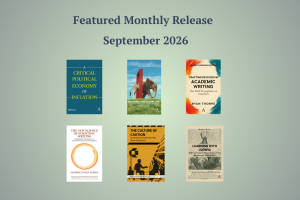
Featured Monthly Releases – September 2026
As September closes, discover new titles that explore writing, media, music, life and economics from fresh interdisciplinary perspectives. Our featured releases offer thought-provoking approaches to academic communication, cultural experience and...