



University Press Roundup: #AmplifyBlackVoices, a Pandemic-Ridden Hajj and the Digital Self
Check out our collection of 5 of the most interesting university press blog posts for this month. We aim to keep you informed, engaged, and part of the ongoing scholarly conversations.
1. Black Study in a Time of Trouble: A Reading List

Black Lives Matter protests have been sweeping the world, bringing global attention to the cries of Black voices. In order to understand and fight injustice, we must educate ourselves and each other. Curated by Professor Joshua M. Meyers, this list of powerful Black writings span time periods and diasporas, illuminating the traditions that exist as a result, but also in spite of, the systems of oppression (New York University Press).
2. Why research needs to be published in new and accessible formats
Oxford University Press celebrates their 25th year of publishing the Very Short Introductions series. In this interview with series editor Latha Menon, Menon discusses the importance of condensing jargon-heavy information to a wide, general audience, navigating topics like evolving research habits, subject selection and the technological trends in publishing.
3. Boredom and the Lockdown
Bored in the house and in the house bored? Being bored implies feeling stuck, but indulging in emotions associated with boredom reveals its deceptiveness. Poet Joseph Brodsky claims that the solution to boredom is to embrace it; facing it squarely means to bring ourselves back to vitality (Cambridge University Press).
4. Pandemics, Hajj, and Politics
Normally, two million Muslims make the hajj each year, coming from corners around the world to reach Mecca. This year, it falls in late July. However, the pandemic has disrupted any sense of safety in large gatherings and many people have been calling on Saudi Arabia to suspend the 2020 hajj. It is tricky for governments to ban religious rituals and we see religion intersecting with politics and public health once again (Cornell University Press).
5. Mobile Technology and Defining the Digital Self: Gregory Taylor Guest Blog
As humans become more reliant on technology to communicate and connect with each other, it can feel like smartphones and mobile devices are an extension of who we are. Author Gregory Taylor discusses the ways in which digital connectivity interacts with our sense of selfhood. (McGill-Queen’s University Press)
Latest Posts
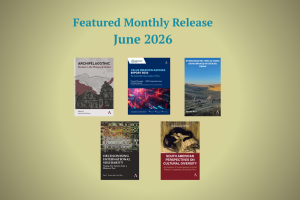
Featured Monthly Releases – June 2026
This June, discover new titles that explore the intersections of culture, society and global transformation. Spanning decolonisation, sustainability, philosophy, regional studies and public policy, these latest releases offer timely perspectives...

Talk of the Town: Monthly Publishing Industry News Digest
As we close the curtains on June, the publishing industry continues to navigate the accelerating influence of AI, advances in open access and sustainability and ongoing debates surrounding academic freedom,...

Cultural Diversity After the Crisis of the Rules-Based Order
This is a guest post by Federico Luis Escribal, author of South American Perspectives on Cultural Diversity: An Analysis of Contemporary Cultural Policies in Argentina, Brazil and Peru The beginning...

Recovering the Voice of Maria Teresa de Sá Nogueira: A Conversation with Sandra Sousa
This is an interview with Sandra Sousa, author of The Life and Writings of Maria Teresa de Sá Nogueira What inspired you to write The Life and Writings of Maria...