



BBC’s India’s Daughter and the Shock to Collective Consciousness

On International Women’s Day last Sunday, BBC4 broadcasted India’s Daughter, a documentary focused on the December 2012 gang rape and murder of a 23-year-old student in Delhi. India’s Daughter, by British director Leslee Udwin, explores the murder of Jyoti Singh, a medical student who was assaulted by six men on a privately-run bus and died thirteen days later of her injuries. Singh had hoped to open a hospital in her village and on the day of her attack, she had completed final exams. India has banned showings of the documentary, and according to Guardian, India’s parliamentary affairs minister M Venkaiah Naidu deemed the film “an international conspiracy to defame India”. In 2013 when she delivered her sentence against the four adults tried in the case, Judge Yogesh Khanna stated that the case “shocked the collective conscience” of India and sentenced the men to death by hanging. To learn more about this concept collective consciousness in the criminal justice system, read the study Émile Durkheim and the Collective Consciousness of Society, written by Ken Smith and recently published by Anthem Press.
Latest Posts
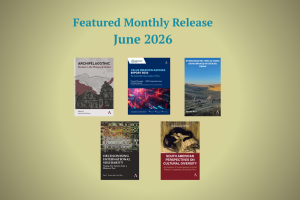
Featured Monthly Releases – June 2026
This June, discover new titles that explore the intersections of culture, society and global transformation. Spanning decolonisation, sustainability, philosophy, regional studies and public policy, these latest releases offer timely perspectives...

Talk of the Town: Monthly Publishing Industry News Digest
As we close the curtains on June, the publishing industry continues to navigate the accelerating influence of AI, advances in open access and sustainability and ongoing debates surrounding academic freedom,...
Cultural Diversity After the Crisis of the Rules-Based Order
This is a guest post by Federico Luis Escribal, author of South American Perspectives on Cultural Diversity: An Analysis of Contemporary Cultural Policies in Argentina, Brazil and Peru The beginning...
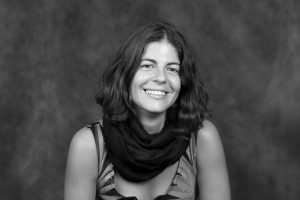
Recovering the Voice of Maria Teresa de Sá Nogueira: A Conversation with Sandra Sousa
This is an interview with Sandra Sousa, author of The Life and Writings of Maria Teresa de Sá Nogueira What inspired you to write The Life and Writings of Maria...