



Anthem Library of the Month | MOORLAND-SPINGARN LIBRARY
 © 2012 Ph.D. Octopus
I was recipient of a research grant from the Lilly Foundation that allowed me to work with an African-American scholar at Howard University. A primary goal of the grant was for me to learn about African-American contributions to my area of study. During my initial visit to Howard University I learned about the Moorland-Spingarn Library that is located there. It is recognized as one of the world’s largest and most comprehensive collections that documents the history and culture of people of African descent in Africa, the Americas, and other parts of the world. The Moorland-Spingarn Library collects, preserves, and makes available for research a wide range of resources that chronicle the Black experience. I did numerous visits to Howard University during and after my grant period and was impressed with the holdings of the Moorland-Spingarn Library and the services conveyed by the staff. Certainly a unique and vibrant contribution to learning.
—Jim Schnell, Ohio Dominican University; Anthem Global Media and Communication Studies
Latest Posts
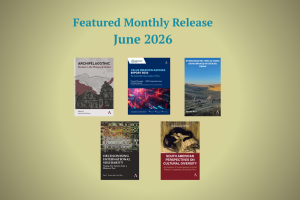
Featured Monthly Releases – June 2026
This June, discover new titles that explore the intersections of culture, society and global transformation. Spanning decolonisation, sustainability, philosophy, regional studies and public policy, these latest releases offer timely perspectives...

Talk of the Town: Monthly Publishing Industry News Digest
As we close the curtains on June, the publishing industry continues to navigate the accelerating influence of AI, advances in open access and sustainability and ongoing debates surrounding academic freedom,...

Cultural Diversity After the Crisis of the Rules-Based Order
This is a guest post by Federico Luis Escribal, author of South American Perspectives on Cultural Diversity: An Analysis of Contemporary Cultural Policies in Argentina, Brazil and Peru The beginning...

Recovering the Voice of Maria Teresa de Sá Nogueira: A Conversation with Sandra Sousa
This is an interview with Sandra Sousa, author of The Life and Writings of Maria Teresa de Sá Nogueira What inspired you to write The Life and Writings of Maria...