



Anthem Press Backs AFC Wimbledon

Anthem Press’ roots lie in Wimbledon, South West London. It and the recently launched Thames River Press are imprints of Wimbledon Publishing Company Limited. The Sood family behind the company are active members of the local community and are supporters of Wimbledon Bookfest and the local football team, AFC Wimbledon.
The team has experienced phenomenal success since it was formed in 2002 as a reaction to Wimbledon F.C.’s relocation up north in Milton Keynes (Buckinghamshire) and its subsequent name change to the Milton Keynes Dons. Many in the Wimbledon community opposed the move and recanted their support, feeling that the new club no longer represented them, their legacy or their traditions. As a result, they decided to form their own club – AFC Wimbledon. In the few short years since, the “phoenix club” has managed to climb its way up from the ninth tier in 2002 to the fourth tier (Level Two) in 2011.
On the 1st of December, the possible grudge match – AFC Wimbledon vs MK Dons – will finally take place and Anthem Press would like to take this opportunity to wish the Wombles the best of luck!
Latest Posts
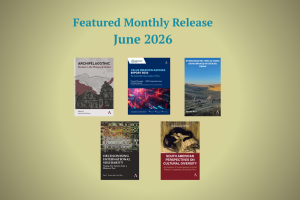
Featured Monthly Releases – June 2026
This June, discover new titles that explore the intersections of culture, society and global transformation. Spanning decolonisation, sustainability, philosophy, regional studies and public policy, these latest releases offer timely perspectives...

Talk of the Town: Monthly Publishing Industry News Digest
As we close the curtains on June, the publishing industry continues to navigate the accelerating influence of AI, advances in open access and sustainability and ongoing debates surrounding academic freedom,...

Cultural Diversity After the Crisis of the Rules-Based Order
This is a guest post by Federico Luis Escribal, author of South American Perspectives on Cultural Diversity: An Analysis of Contemporary Cultural Policies in Argentina, Brazil and Peru The beginning...

Recovering the Voice of Maria Teresa de Sá Nogueira: A Conversation with Sandra Sousa
This is an interview with Sandra Sousa, author of The Life and Writings of Maria Teresa de Sá Nogueira What inspired you to write The Life and Writings of Maria...