



The demise of traditional publishing: truth or exaggeration?
Much has been written and debated about the economics and future of book publishing. Last week, former Borders chairman Luke Johnson presented some radical views on precisely this topic in his excellent weekly column on entrepreneurship for the Financial Times.
Johnson argues that the publishing community must act purposefully if it wishes to survive and prosper in the digital era, and makes several instructive points on the increasing importance of online marketing techniques and the publisher’s brand.
But he also makes a number of sweeping statements which overlook some of the essential qualities of a book publisher.
Johnson despaired that it has taken his forthcoming book seven months to go from manuscript to bookshop. He said: “I will never write another book in this traditional way.” This downplays the vital roles that publishers play in both the physical and digital worlds (editing, cover design and layout, proofing, final checks, advance marketing, and so on). The fact is that some books take longer to bring to the market than others because of their inherent complexities. Illustrated works, translations and books with multiple contributors, for example, require significant labour and effort during the prepress stage.
Many, including Johnson, argue that the gross margins are much higher for e-books than they are for physical books because they do not involve printing and freight costs. But, I would argue that the other costs incurred during the book publishing process – from editing and design to selling and marketing – remain unchanged and together represent the lion’s share of the total cost of a title.
Publishing is one of the world’s oldest crafts and e-books represent just another stage in its evolution. The so-called “digital revolution” is nothing to fear as long as publishers embrace modern technologies. Contrary to doomsday predictions, I believe these are exciting times to be a publisher. Provided we remain committed to meeting the reader’s appetite to consume books in various forms, the death of traditional publishing will continue to be an exaggeration.
Latest Posts
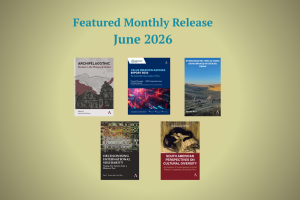
Featured Monthly Releases – June 2026
This June, discover new titles that explore the intersections of culture, society and global transformation. Spanning decolonisation, sustainability, philosophy, regional studies and public policy, these latest releases offer timely perspectives...

Talk of the Town: Monthly Publishing Industry News Digest
As we close the curtains on June, the publishing industry continues to navigate the accelerating influence of AI, advances in open access and sustainability and ongoing debates surrounding academic freedom,...

Cultural Diversity After the Crisis of the Rules-Based Order
This is a guest post by Federico Luis Escribal, author of South American Perspectives on Cultural Diversity: An Analysis of Contemporary Cultural Policies in Argentina, Brazil and Peru The beginning...

Recovering the Voice of Maria Teresa de Sá Nogueira: A Conversation with Sandra Sousa
This is an interview with Sandra Sousa, author of The Life and Writings of Maria Teresa de Sá Nogueira What inspired you to write The Life and Writings of Maria...